
1 hr 30 min
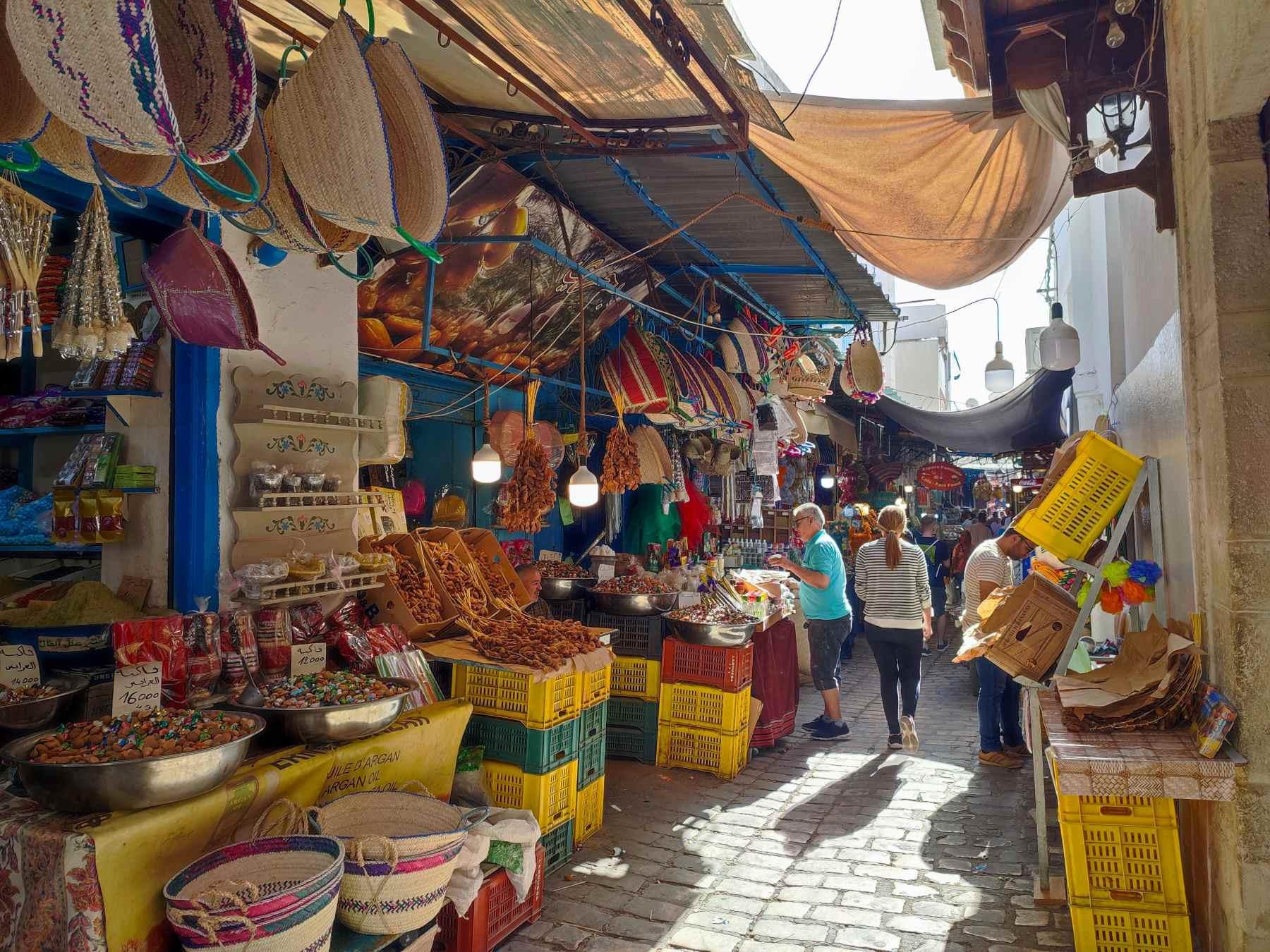
Sousse Souk Walking Tour with Street Food Tasting
Navigate a vibrant Tunisian market with a local guide, haggle for treasures, and taste beloved street eats
Reserve
Hand-picked by our editors — only the best 5 experiences from 18 reviewed.
Verified partners for every tour, free cancellation where available, and instant confirmation on every booking.
1 hr 30 min
Navigate a vibrant Tunisian market with a local guide, haggle for treasures, and taste beloved street eats
Reserve
1 hr
Explore Sousse's UNESCO Medina, ancient Ribat fortress, and archaeological treasures with a licensed guide
Reserve
2 hr 30 min
Explore ancient fortifications, artisan markets, and hidden corners of Tunisia's authentic coastal medina
ReservePrices from verified partners. Availability updates in real time at checkout. Free cancellation policies apply where shown.
The landmarks, rooms, and views travelers on this tour remember — all visible on a single visit.
This 9th-century fortification served as a coastal watchtower and features unique, well-preserved masonry. It is one of the most significant landmarks in the Sousse area.
They complement each other; most visitors who do both find the Sousse free walking tour offers better local immersion, while the regional cultural tour provides a deeper look at Tunisia's UNESCO heritage.
| Feature | Top pick Medina Walking Tour | El Jem/Kairouan Private Tour |
|---|---|---|
Experience Depth |
Local lifestyle and architecture | Archaeological sites and history |
Flexibility |
Self-paced exploration | Fixed itinerary schedule |
Time Commitment |
2–3 hours | 8–10 hours |
Transportation |
Walking | Private air-conditioned vehicle |
Physical Exertion |
Moderate walking on cobbles | Minimal to moderate walking |
Inclusions |
Guided narration | Transport and entry fees |
| See tickets → |
Verdict: Those seeking intimate contact with the Medina of Sousse should choose the tip-based Sousse free walking tour, whereas travelers prioritizing broad historical reach find the El Jem/Kairouan experience more fitting.
Choose your ticket, select your date, and reserve in under two minutes. Secure checkout handled by our verified partner.
Instant confirmation by email, with a mobile voucher you can save offline. No printing, no queuing at a collection desk.
Arrive at the entrance, show your voucher on your phone, and walk in. Most tickets include priority or skip-the-line access.
Practical details for your visit straight from our verified partners — hours, access, rules, and how to get there.
Place des Martyrs
Primary meeting point for most tours.
The most direct way to reach the main Medina gates.
Arrives at Sousse station, a 15-minute walk from the Medina.
Modest clothing is recommended when exploring the Medina of Sousse. Shoulders and knees should be covered to respect local cultural norms during your sousse free walking tour.
Keep belongings secure in crowded narrow alleys. There are no official lockers provided for the sousse free walking tour participants.
Photography is generally permitted in public areas of the Medina. Always ask shopkeepers for permission before taking close-up photos of their goods on your sousse free walking tour.
The ancient stone streets of the Medina of Sousse can be uneven and steep. Some parts of the sousse free walking tour may not be suitable for wheelchairs or strollers.
Mobile phones are useful for navigation but should be kept in a secure pocket. Signal strength varies within the deep stone walls of the Medina during a guided Sousse city walk.
The Medina of Sousse can be overwhelming for young children due to high foot traffic. Ensure children stay close during your sousse free walking tour.
Numerous small stalls offer traditional Tunisian snacks. Hydration is essential, so carry water throughout your sousse free walking tour.
Pets are generally not permitted in crowded interior markets or religious sites. Avoid bringing animals on your sousse free walking tour.
Tip-based tours rely on your generosity; consider the value of the experience when rewarding your guide. Always confirm your reservation online to ensure your spot on the sousse free walking tour.
Best time to go, insider tips, nearby landmarks, and the cancellation fine print — flip through to skim what matters to you.
How crowds, weather, and events shift across the year.
Mild temperatures make walking comfortable between March and May.
Warm but manageable weather throughout September and October.
Expect high heat; stick to the 08:00–11:00 arrival window.
Cooler and often rainy; dress in layers for walking.
Small details that turn a good visit into a great one.
Standard tips for a sousse free walking tour range from 10 to 20 TND per person depending on satisfaction. Carry local currency in small denominations.
Always book your spot online to confirm your place, even for a free walking tour tour.
The Medina is a maze; sticking with your guide is safer than wandering alone.
While guides speak English, learning basic Arabic greetings enhances the experience.
Even in autumn, the reflection off white walls can be strong; wear sunscreen.
Following the 08:00–11:00 arrival window ensures you see the souks before they get crowded.
Non-bookable sights within a short walk — free to visit, easy to pair.
A 9th-century fortress and UNESCO site overlooking the medina.
A 9th-century mosque noted for its lack of minaret.
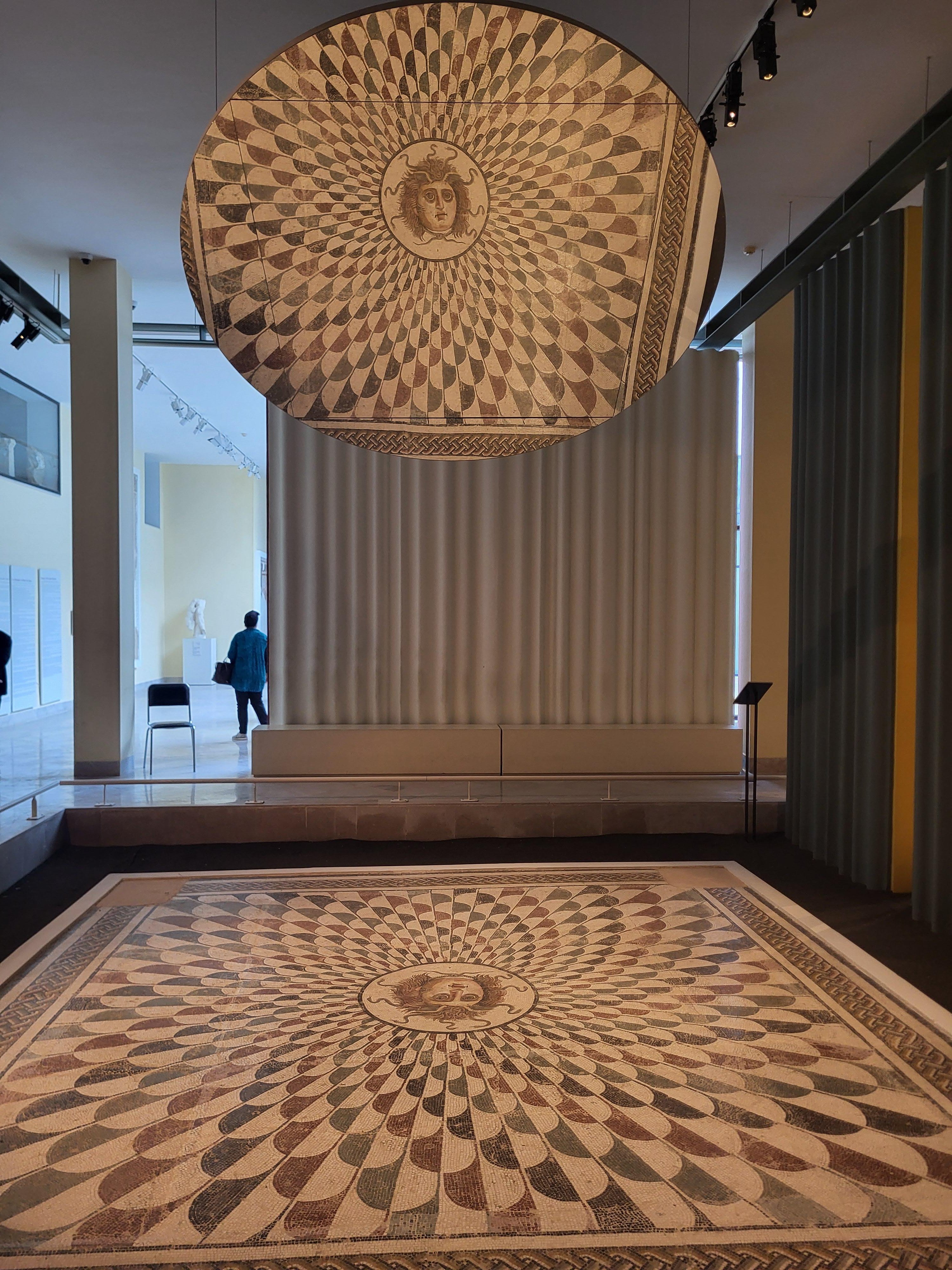
Features a collection of mosaics from the Punic and Roman eras.
A preserved 19th-century townhouse showing traditional domestic life.
Flexible, no hidden fees.
Since the sousse free walking tour operates on a tip-based model, you may cancel your reservation at any time through the booking platform. There is a 0 TND entrance fee to the Medina of Sousse itself.
Hand-picked options within walking distance — pick a district for vibe, or a specific hotel for convenience.
Stay within the historic walls for easy walking access.
Resort area with sea views and modern amenities.
Convenient for transit and shopping outside the historic zone.
Sousse's walled Medina, inscribed as a UNESCO World Heritage Site in 1988, sprawls across 32 hectares of labyrinthine alleys unchanged since the ninth century. The ribat—a fortified monastery dating to 796 CE—stands at the northern edge, its watchtower offering views across terracotta rooftops to the Gulf of Hammamet. The Great Mosque, completed in 851 CE, anchors the quarter's spiritual geography, its courtyard paved with recycled Roman columns from nearby Hadrumetum. Sousse's medina is one of the finest surviving examples of early Islamic military architecture in the Maghreb, blending Aghlabid austerity with later Ottoman embellishments. A Sousse free walking tour operates on the tip-based model common across Mediterranean cities: guides work without fixed fees, relying instead on voluntary gratuities at the tour's conclusion. Most walks depart from Place Farhat Hached or the Bab el-Jadid gate between 08:00 and 11:00, when the sun sits low and the souk stalls are setting up. Groups rarely exceed 15 participants. The standard circuit covers the ribat's ramparts, the Kasbah quarter's residential courtyards, and the souk's metalwork and textile sections, concluding near the Archaeological Museum. Duration averages two to two and a half hours. Guides provide historical context in English, French, or Arabic, depending on group composition. No advance payment is required, but reservation through a recognized platform ensures a confirmed spot and vetted guide credentials. Tipping etiquette follows local convention: 10 to 20 Tunisian dinars per person is standard for a two-hour walk, adjusted for group size and guide expertise. Guides appreciate cash in local currency. The mechanic is transparent—participants assess the experience before deciding on gratuity—but the system depends on fair contribution. Tours operate year-round, though summer midday heat makes morning slots preferable. The medina's stone passages retain coolness even in July, but the ribat's exposed towers offer no shade. Fridays see reduced activity around the mosque during prayer times. The model works because it aligns guide incentives with visitor satisfaction: a knowledgeable guide who paces well and answers questions earns proportionally. The informal structure also allows flexibility—participants can ask to linger at a caravanserai doorway or skip sections that don't interest them. Sousse's walking tour network has matured alongside Tunisia's post-2011 tourism recovery, with guides now certified through municipal programs that emphasize both historical accuracy and guest safety.
"The ribat's watchtower offers views across terracotta rooftops to the Gulf of Hammamet."
A step-by-step walkthrough of the visit — what you'll see, how long each stage takes, and the details that matter.
You meet your guide at Bab el-Jadid, the medina's northern gate, where the morning light cuts sharp angles across limestone walls. The group gathers—eight strangers holding phone confirmations—and the guide begins with a brief on the two-hour route and tipping convention. You step through the archway into narrower streets, the temperature dropping as shade takes over. The first stop is the ribat, its 797 CE foundation visible in the lower coursework. You climb the watchtower's spiral staircase, 73 steps, and pause at the top to orient yourself: the Great Mosque's minaret to the south, the port beyond, the souk spreading east in a grid of covered passages. Back at street level, you follow the guide through residential alleys where doorways reveal tiled courtyards and wrought-iron balconies. The souk section begins near the spice vendors—saffron, cumin, dried roses in burlap sacks. You pass coppersmiths hammering trays, then textile stalls displaying traditional fouta towels and wedding blankets. The guide explains the layout: metalwork in the western quarter, food and fabric to the east, a logic inherited from Aghlabid zoning laws. The walk ends at the Kasbah square. You hand the guide 15 dinars, the group disperses, and you're left standing in the medina with two hours of context now mapped onto the streets around you.
The Medina is public space, but generally active from 08:00–17:00 daily.
Yes, reserving your sousse free walking tour online guarantees your spot with a professional guide.
The tour itself is tip-based, allowing you to pay what you feel the sousse free walking tour experience is worth.
Wear comfortable walking shoes and modest, breathable clothing suitable for the climate.
Yes, children are welcome on the sousse free walking tour if they are comfortable walking on uneven ground.
Photography is permitted in public spaces, but always ask before filming local shopkeepers.
Tipping is standard for a sousse free walking tour; consider the guide's effort and quality of local knowledge.
Aim to arrive between 08:00–11:00 to enjoy cooler weather and fewer crowds.
Entry to the streets is free, but individual monuments like the Ribát have their own entrance fees.
Avoid bringing large tripods, drones, or alcohol on your walking tour.
Yes, ensure shoulders and knees are covered when passing mosques or religious areas.
The meeting point is typically at the Ribát of Sousse or a nearby landmark specified in your booking confirmation.