2 hr
Sousse Souk Walking Tour with Tunisian Street Food
Navigate bustling market lanes with a local guide, learn haggling secrets, and taste traditional brik or fricassé.
Reserve

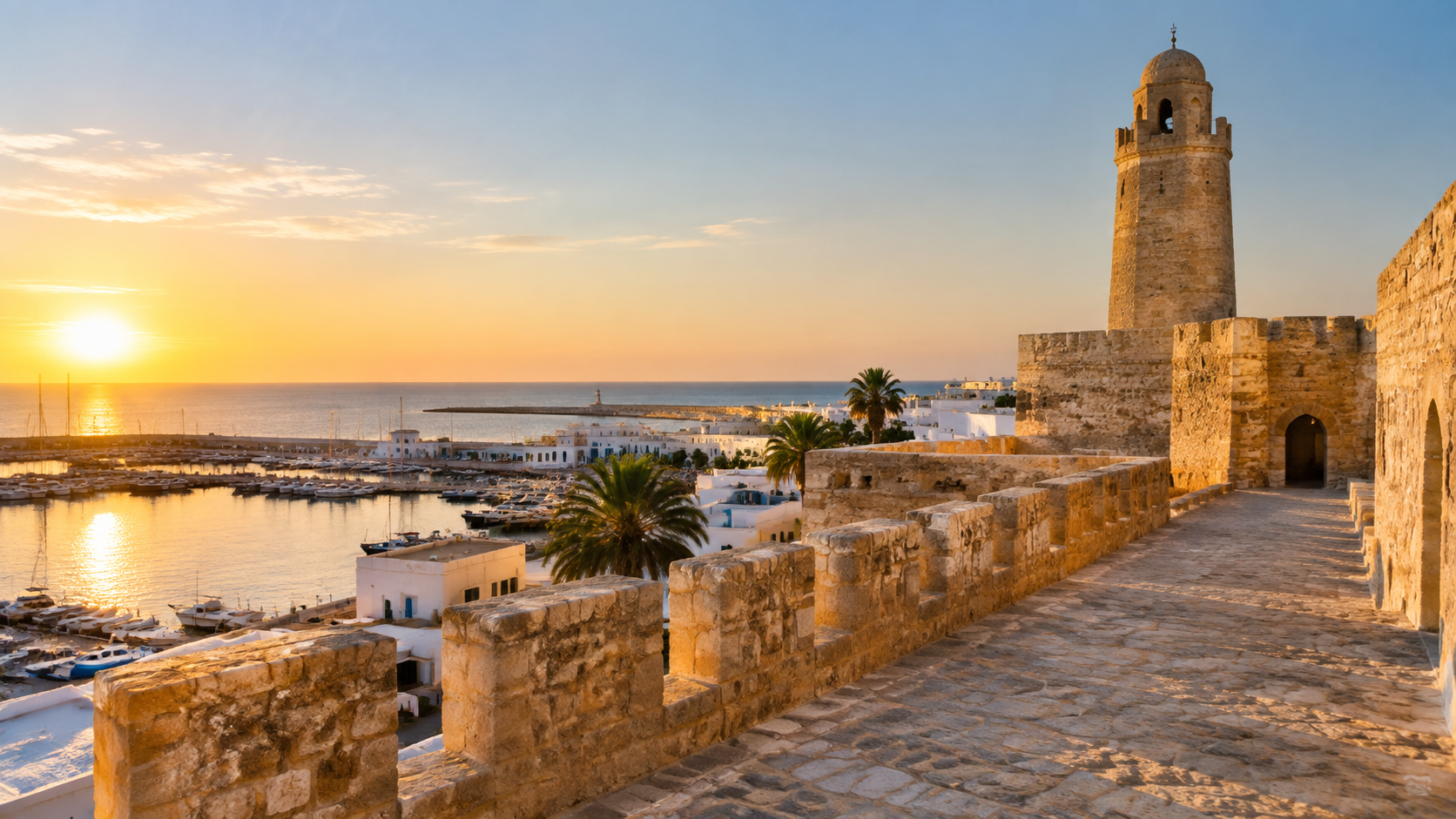
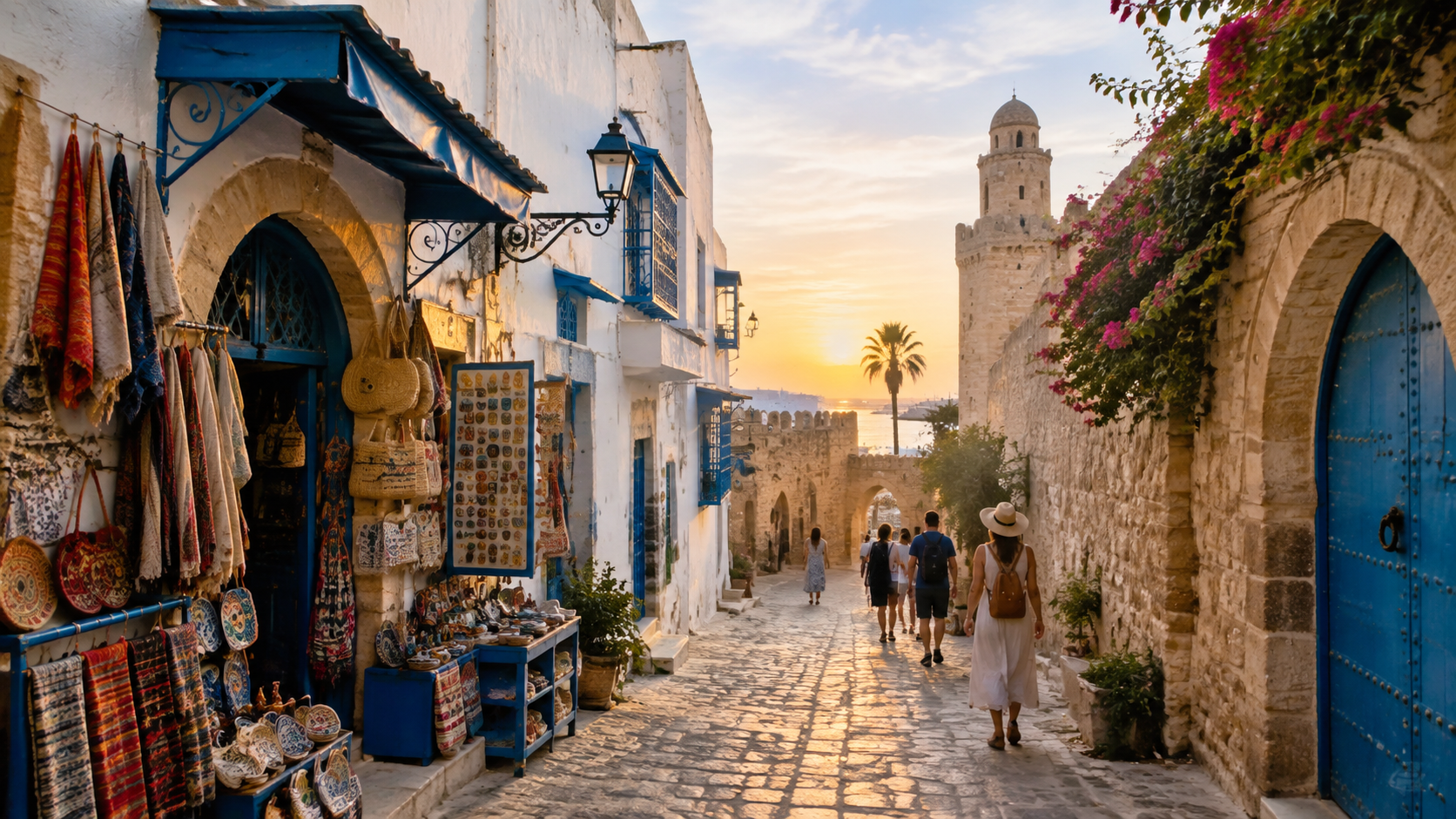
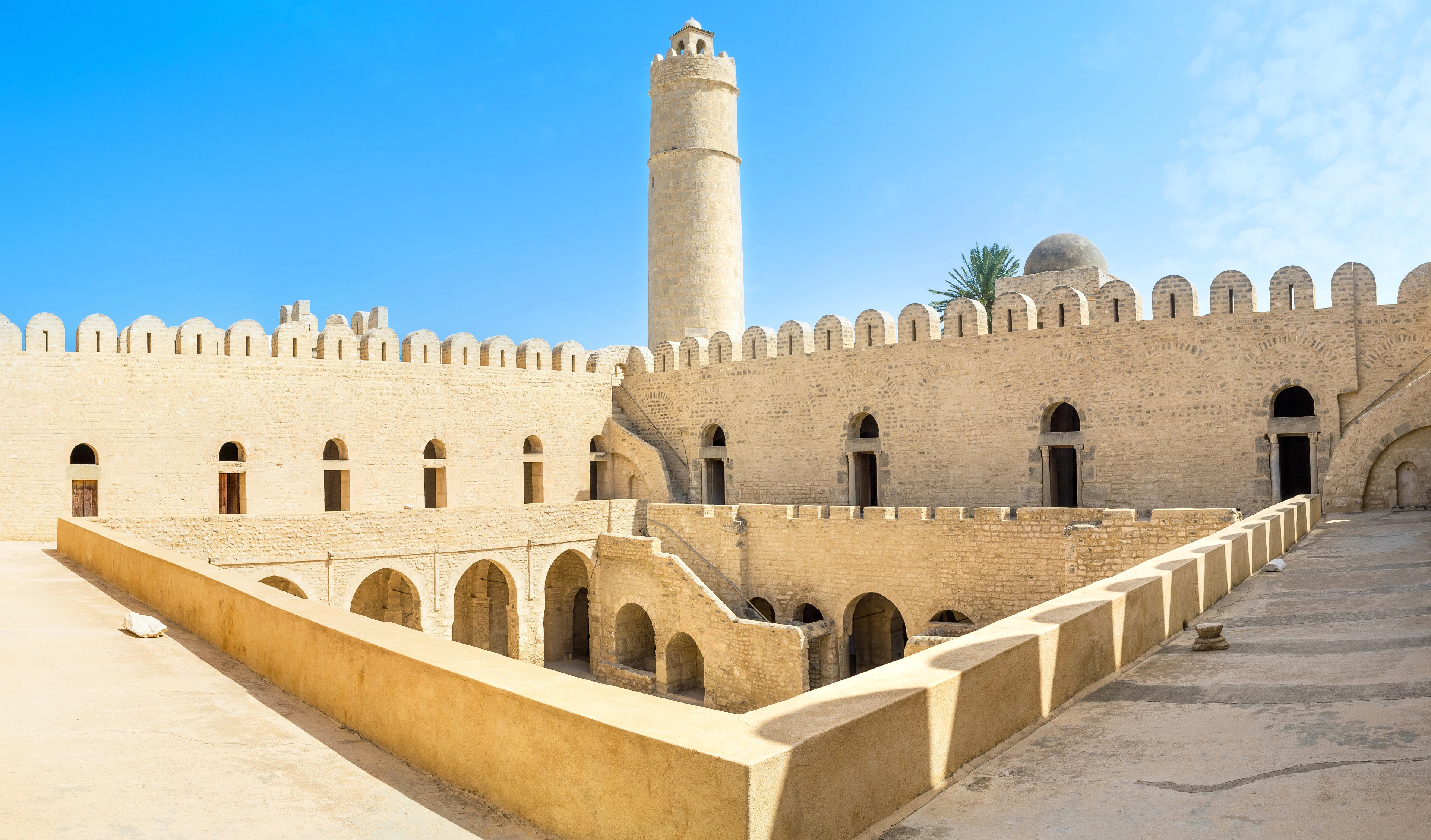
Ninth-century ribat walls meet labyrinthine souks, where every turn reveals Aghlabid arches and sea-facing battlements.
Hand-picked by our editors — only the best 4 walking experiences from 11 reviewed.
Verified partners for Sousse Walking tours, free cancellation where available, and instant confirmation on every booking.
2 hr
Navigate bustling market lanes with a local guide, learn haggling secrets, and taste traditional brik or fricassé.
Reserve
1 hr
Explore UNESCO-listed Medina, ancient fortress towers, and Roman mosaics with a licensed guide
Reserve
3 hr
Wander historic alleyways, bustling markets, and authentic streets in Tunisia's iconic old town
ReservePrices from verified partners. Availability updates in real time at checkout. Free cancellation policies apply where shown.
The landmarks, rooms, and views travelers on Sousse Walking tours remember — all visible on a single visit.
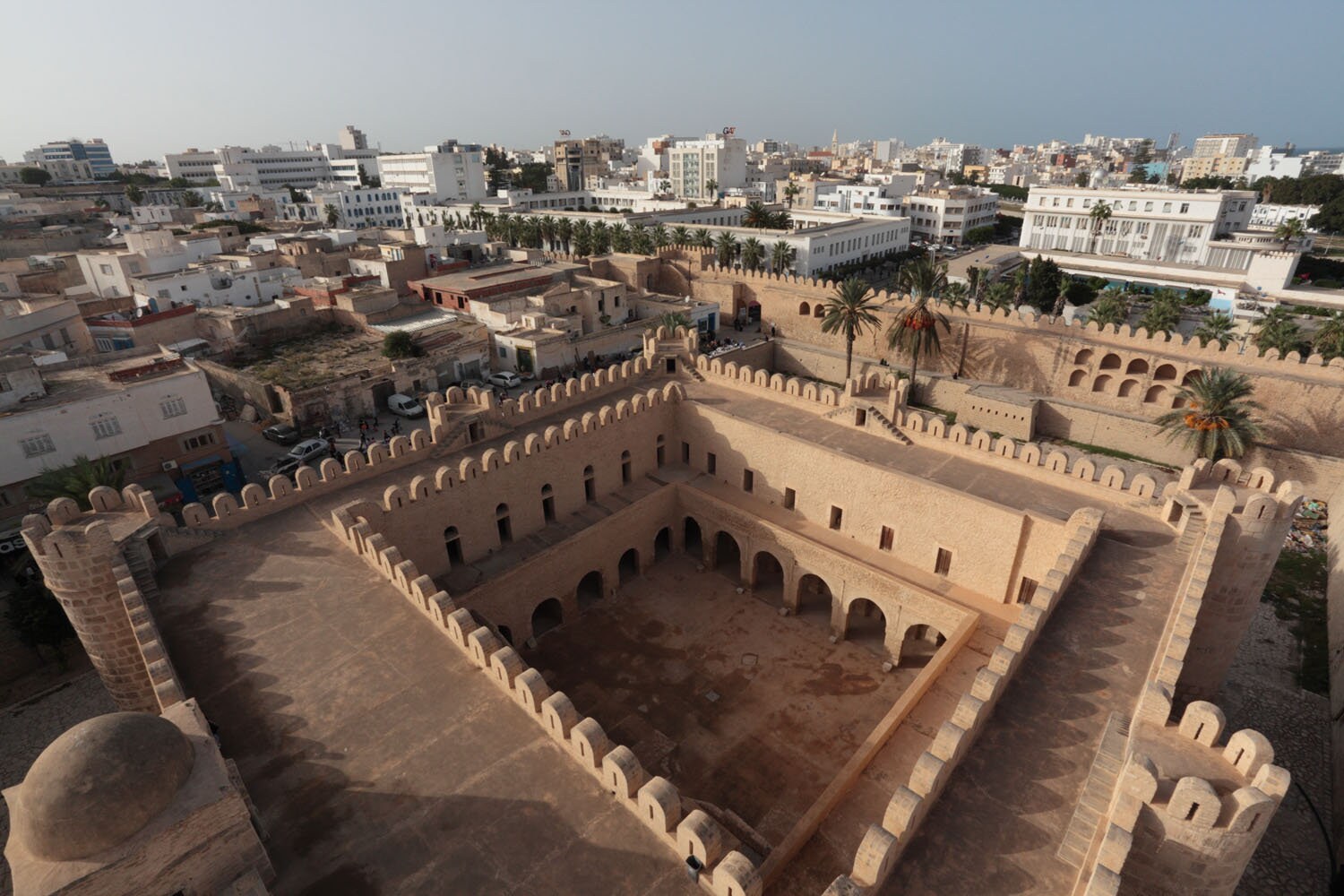
A 9th-century fortress and monastery featuring a 73-step tower with panoramic city views.
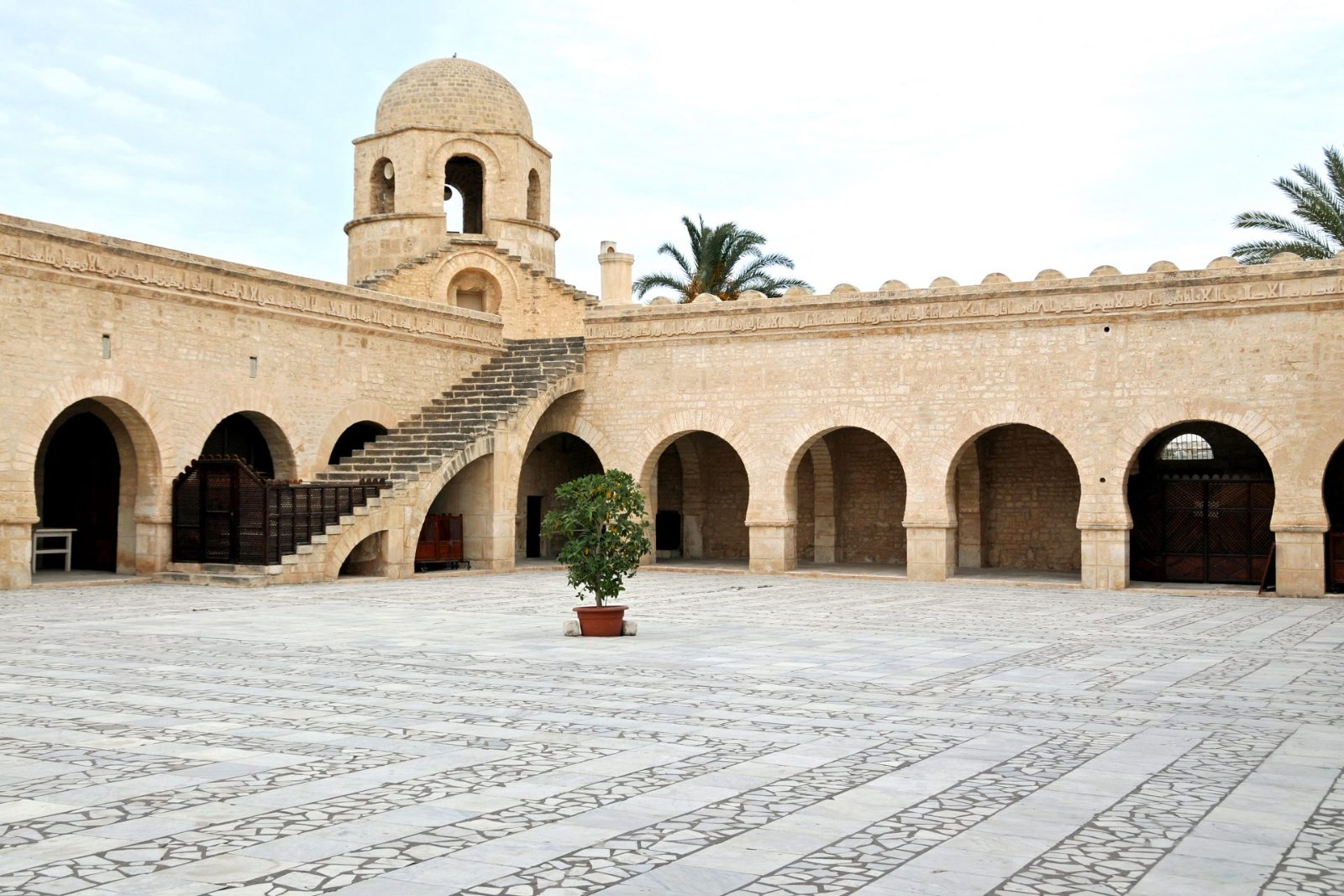
An iconic 9th-century mosque known for its pure Aghlabid architecture and lack of an original minaret.
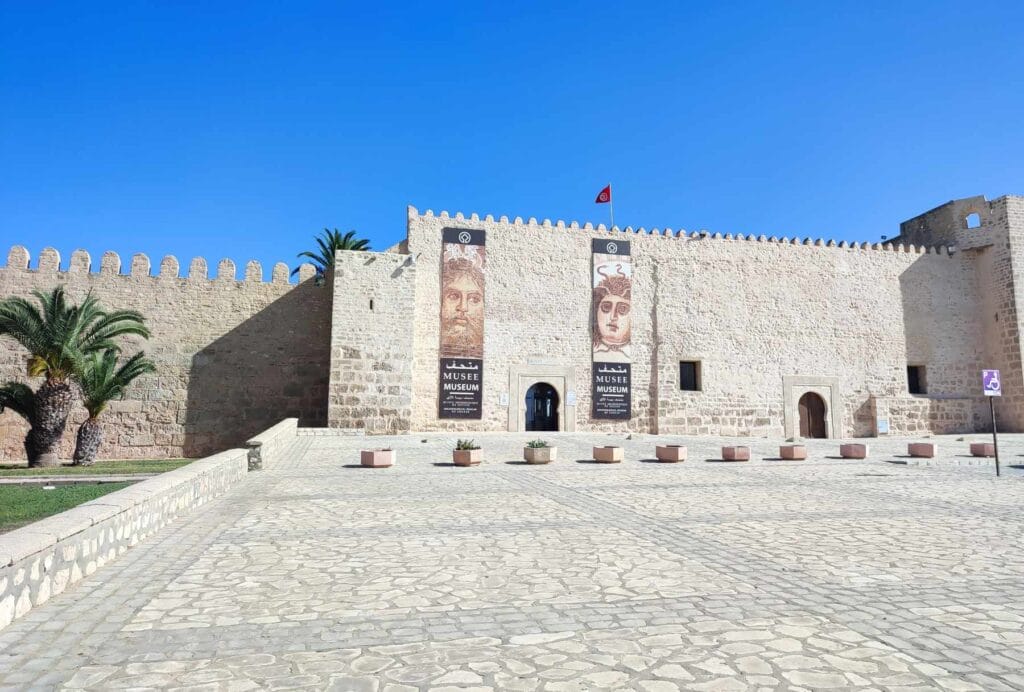
Housed in the historic citadel, this museum contains an exceptional collection of Roman floor mosaics.
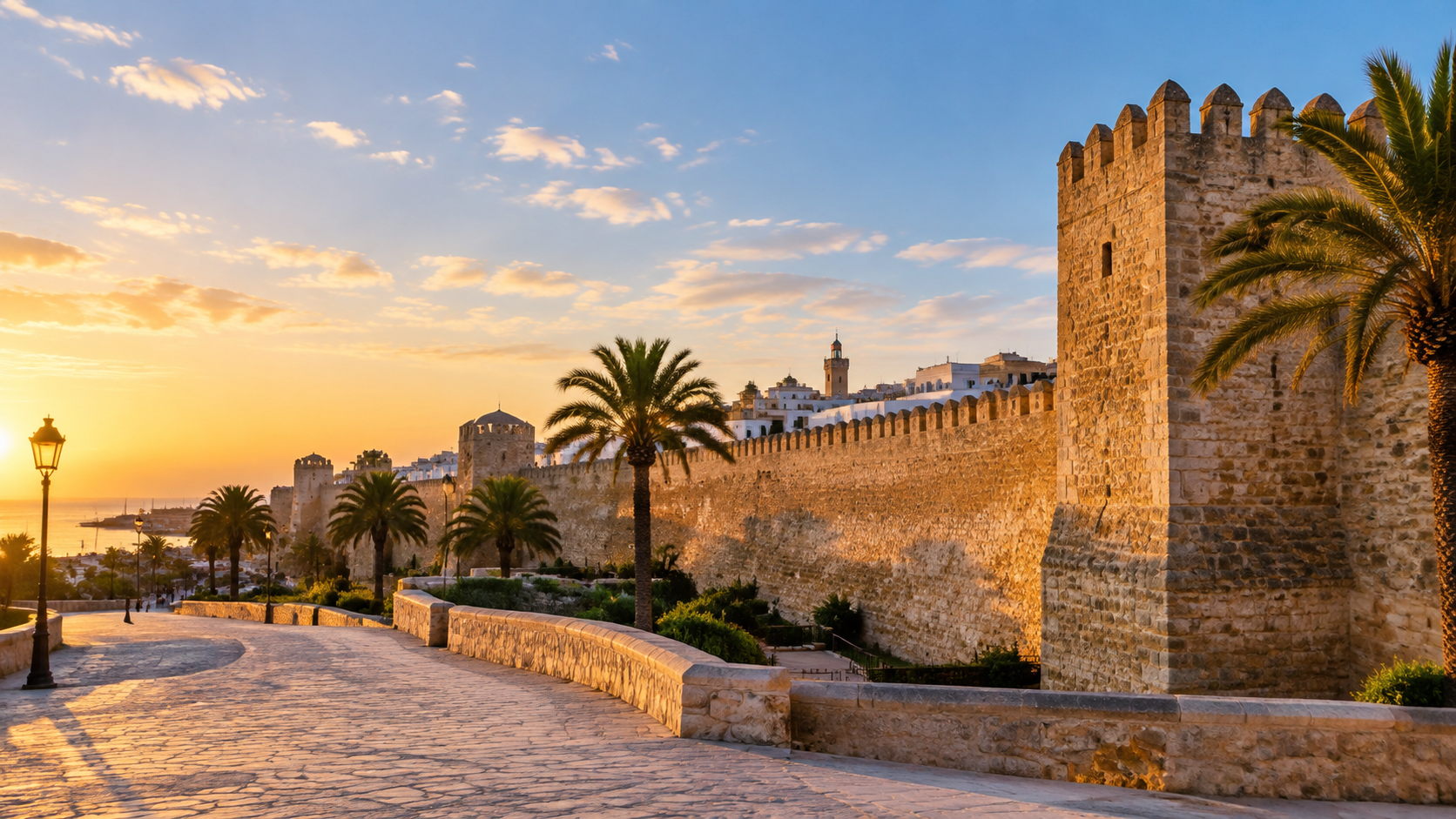
The original 9th-century defensive perimeter stretching 2.2 km around the historic center.
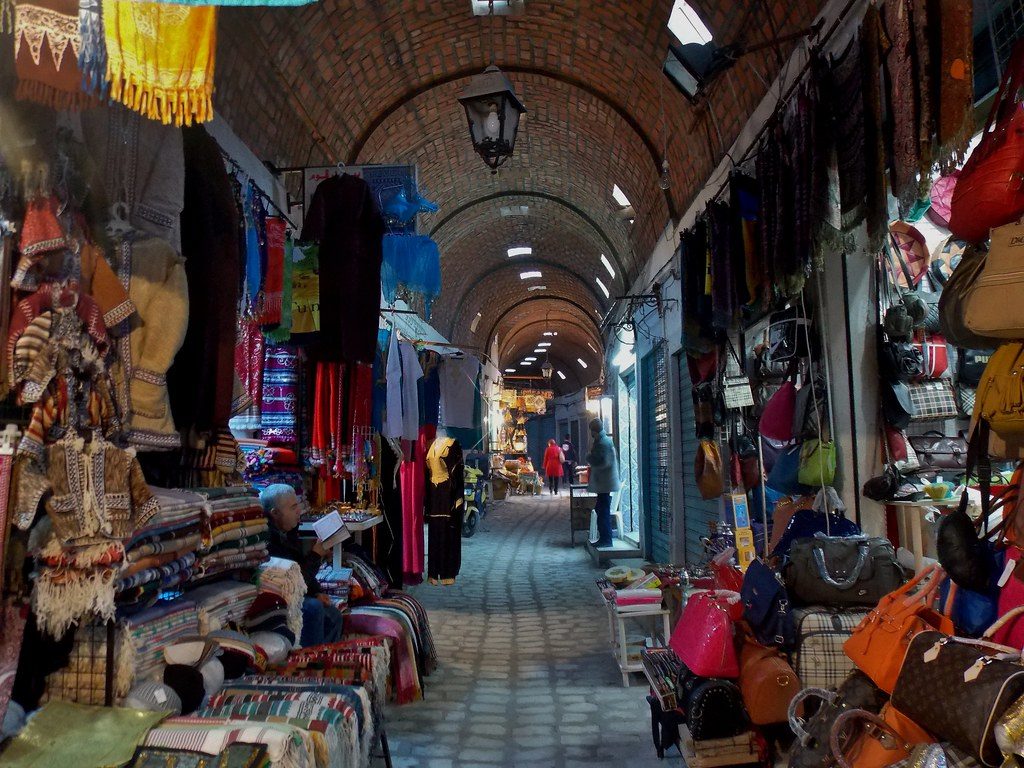
The traditional heart of the local artisan market, perfect for observing authentic craft commerce.
Every Sousse Walking tour side-by-side — duration, what's included, how you redeem.
| Experience | Duration | Rating | Transfers | Pickup | Guide | Free cancel. | Price | |
|---|---|---|---|---|---|---|---|---|
|
Guided Experience Most popular
Sousse Souk Walking Tour with Tunisian Street Food
|
2 hr | ★ 5.0 | ✓ | — | ✓ | ✓ | $30 | Book → |
|
Standard Entry
Sousse Heritage Walk: Medina, Ribat & Museums
|
1 hr | ★ 4.9 | — | ✓ | ✓ | ✓ | €19 | Book → |
|
Guided Experience
Sousse Medina & Souk Walking Tour
|
3 hr | ★ 4.9 | ✓ | ✓ | ✓ | ✓ | €12 | Book → |
All prices from verified partners. Availability and exact terms confirmed at checkout.
The Medina offers a sprawling urban maze experience, while the Ribat provides a focused, vertical historical journey; they complement each other, though most visitors call the Sousse walking tour more immersive for cultural exposure.
| Feature | Top pick Medina of Sousse | Ribat of Sousse |
|---|---|---|
Experience Type |
Open urban maze | Fortified monastic complex |
Focus |
Local commerce and life | Military and religious history |
Time Commitment |
2–4 hours | 45–90 minutes |
Physical Effort |
High due to walking | Moderate due to stairs |
Guided Requirement |
Optional for navigation | Recommended for context |
Cultural Depth |
Daily social customs | Architectural legacy |
| See tickets → |
Verdict: Choose the Medina for a broad look at Sousse landmarks, or select the Ribat if you want specific Sousse walking tour tours centered on defensive architecture without needing extensive sousse walking tour tickets for entry.
Choose your ticket, select your date, and reserve in under two minutes. Secure checkout handled by our verified partner.
Instant confirmation by email, with a mobile voucher you can save offline. No printing, no queuing at a collection desk.
Arrive at the entrance, show your voucher on your phone, and walk in. Most tickets include priority or skip-the-line access.
Practical details for Sousse Walking tickets straight from our verified partners — hours, access, rules, and how to get there.
Dress modestly as a sign of respect, covering shoulders and knees when visiting mosques or religious sites within the Medina of Sousse.
Keep belongings secure in crowded souks. While the area is generally safe, remain aware of your personal items during your sousse walking tour.
Photography is permitted in public spaces, but always ask for permission before taking photos of local shopkeepers or residents during your sousse walking tour.
The historic layout features uneven cobblestones and frequent steps, which may present challenges for wheelchair users during a sousse walking tour.
Mobile phones are permitted. Keep ringer off inside exhibition spaces.
Families are welcome, though navigating narrow alleys with strollers can be difficult; carriers are recommended for a smoother sousse walking tour.
Numerous cafes and local eateries are available throughout the Medina of Sousse, offering traditional Tunisian mint tea and authentic local cuisine.
Pets are not allowed, with the exception of service animals with appropriate documentation.
Last entry is typically 1 hour before closing. Check the specific ticket for timing.
Best time to go, insider tips, nearby landmarks, and the cancellation fine print — flip through to skim what matters to you.
Flexible, no hidden fees.
Entry to the Medina streets is 0 TND. Individual monuments may have specific cancellation terms for booked tours.
The Medina of Sousse earned UNESCO World Heritage status in 1988 for preserving one of the Mediterranean's finest examples of early Islamic urban planning.
Founded in 859 CE by the Aghlabid dynasty, the settlement functioned as both a military fortress and a commercial port linking North Africa to Sicily and the Levant. The ribat—a fortified monastery where soldier-monks defended the coast—still commands the northeastern corner, its cylindrical watchtower rising twenty-seven meters above the Gulf of Hammamet. Byzantine columns salvaged from Hadrumetum, the Roman city beneath modern Sousse, form the courtyard arcade, their Corinthian capitals supporting horseshoe arches that became a signature of ninth-century Maghrebi architecture.
Today the medina remains a working neighborhood where fifteen thousand residents conduct daily commerce within walls that have stood for eleven centuries. The Great Mosque, completed in 851, anchors the quarter with a prayer hall measuring fifty by thirty-three meters, its mihrab oriented precisely toward Mecca using Abbasid astronomical calculations. No minaret punctuates the roofline—worshippers were summoned from the ribat tower instead, a design choice that reflects the settlement's defensive origins. The kasbah, built atop the highest ground in 844, served as the governor's residence and final retreat during sieges; its museum now houses the second-largest collection of Roman mosaics in Tunisia, including a third-century depiction of Neptune that spans forty-two square meters.
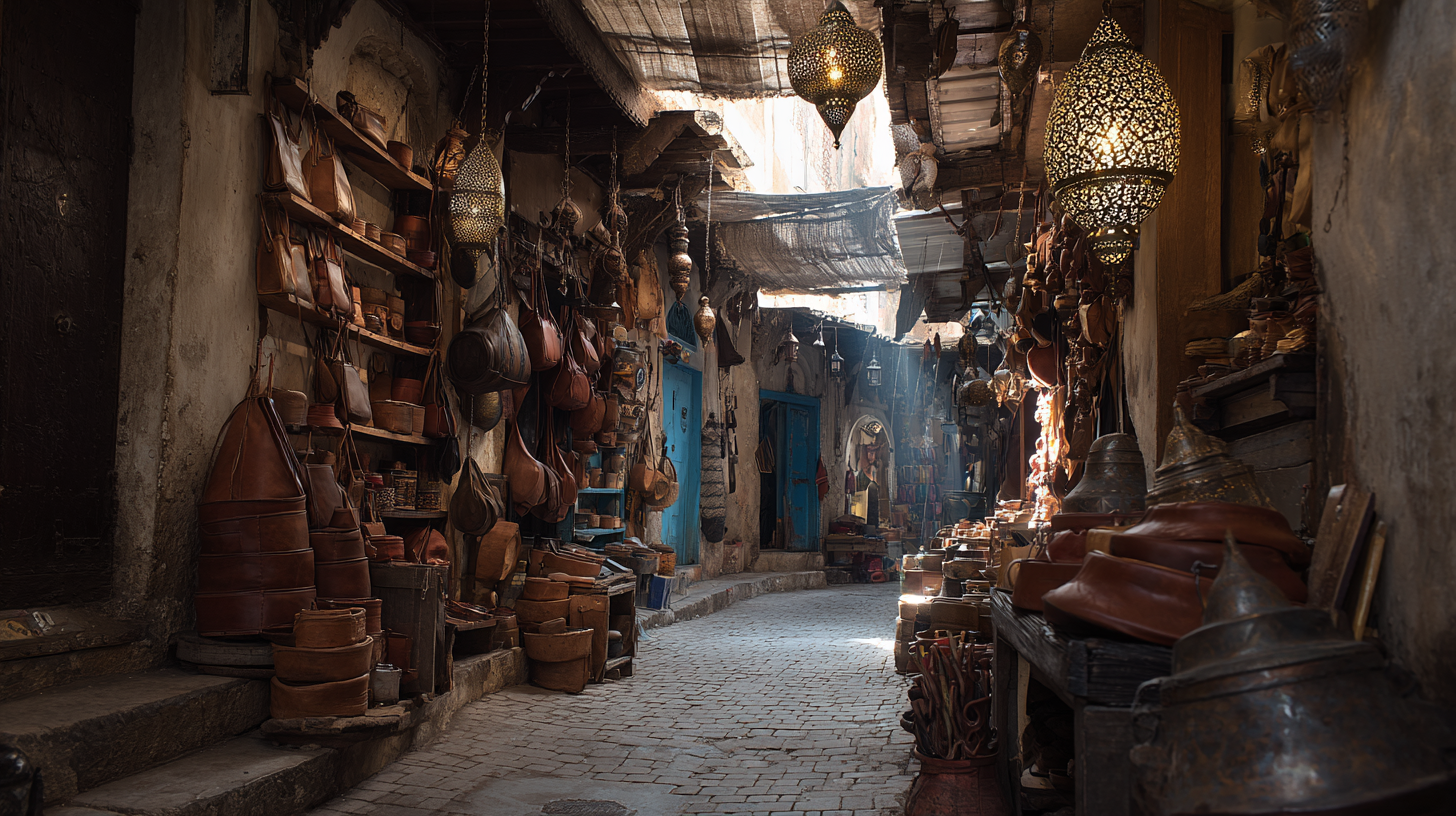
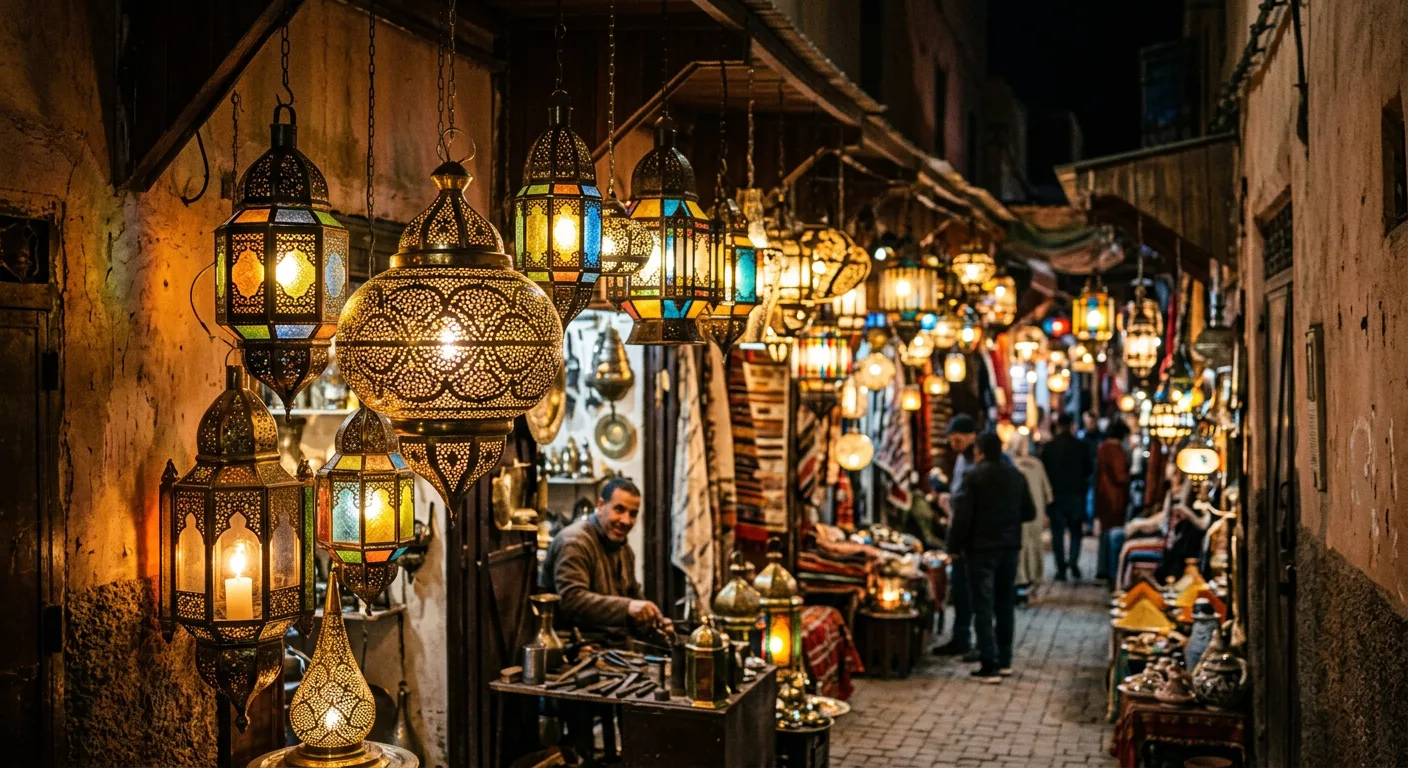
Sousse walking tour routes thread through seven kilometers of covered souks where copper beaters, leather tanners, and weavers occupy workshops unchanged since Ottoman rule. The medina's street plan follows a hierarchy still legible today: main arteries radiate from the mosque toward four gates, while residential derbs branch into dead-end alleys that protected family privacy. Whitewashed facades and blue shutters create a microclimate ten degrees cooler than the modern ville nouvelle beyond the walls. Sousse free walking access to the medina streets allows visitors to trace the same pathways medieval traders used when the port exported olive oil to Andalusia and imported Venetian glass. The ramparts stretch three kilometers around the perimeter, their crenellated parapets offering unobstructed views across terracotta rooftops to the harbor where phosphate freighters have replaced grain dhows.
"Byzantine columns salvaged from Hadrumetum form the ribat's courtyard arcade, their Corinthian capitals supporting horseshoe arches that became a signature of ninth-century Maghrebi architecture."
A step-by-step walkthrough of Sousse Walking tickets — what you'll see, how long each stage takes, and the details that matter.
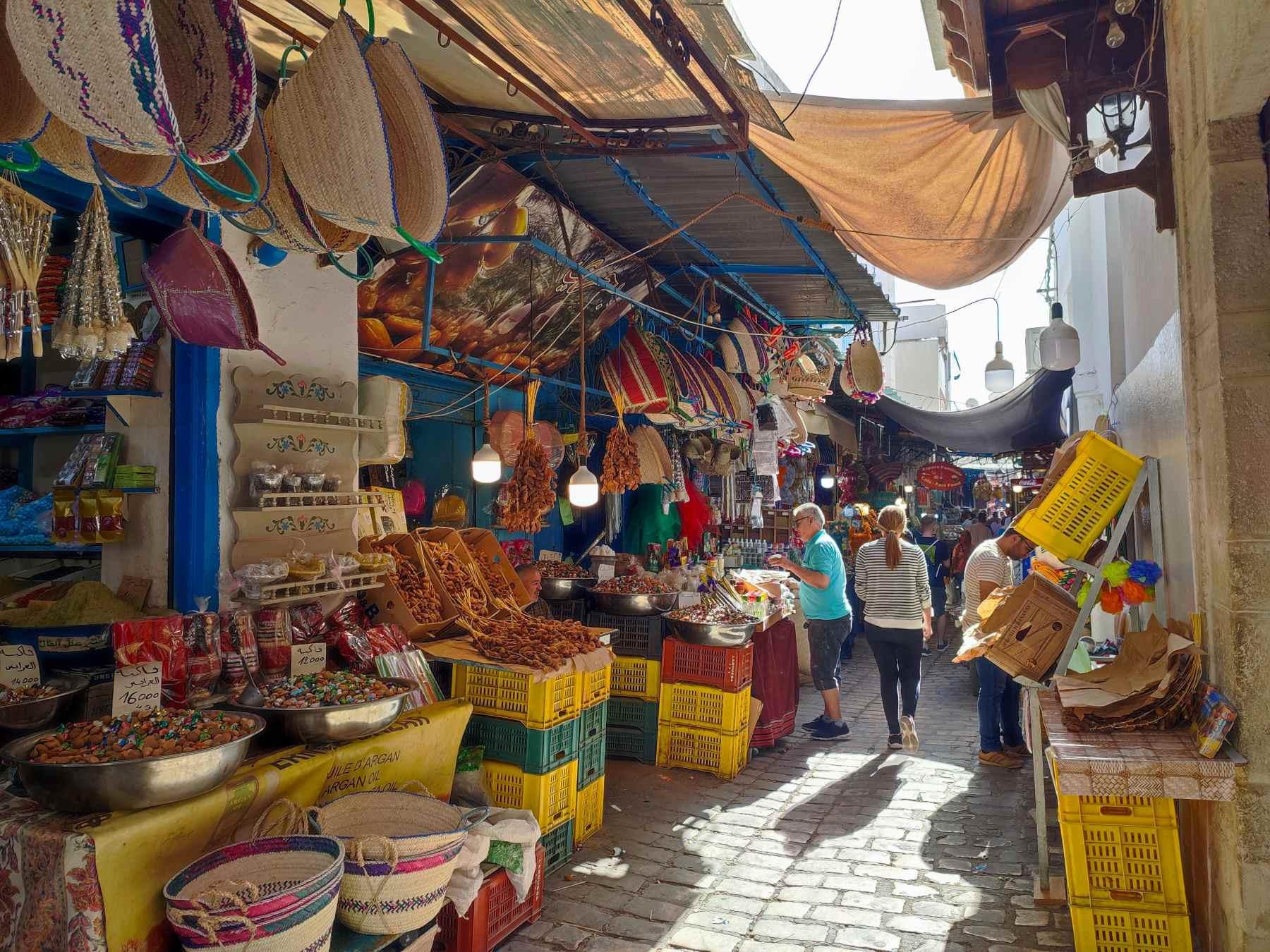
You enter through Bab el Gharbi, the western gate where taxi drivers idle beneath stone vaulting that has framed the threshold since 859. The main souk opens immediately, a vaulted corridor thirty meters long where morning light slants through gaps in the barrel ceiling.
Copper trays stacked three meters high reflect the glow; you pass spice vendors measuring harissa into paper cones, the air thick with cumin and dried rose petals.
Turning north, you climb cobbled steps toward the ribat. The entrance fee here is separate—ten dinars—but the courtyard is visible through iron grillwork. You continue along Rue de la Grande Mosquée, where a wooden door every four meters marks a family compound. Children kick a soccer ball against a whitewashed wall; a woman in a floral headscarf carries bread wrapped in newspaper.
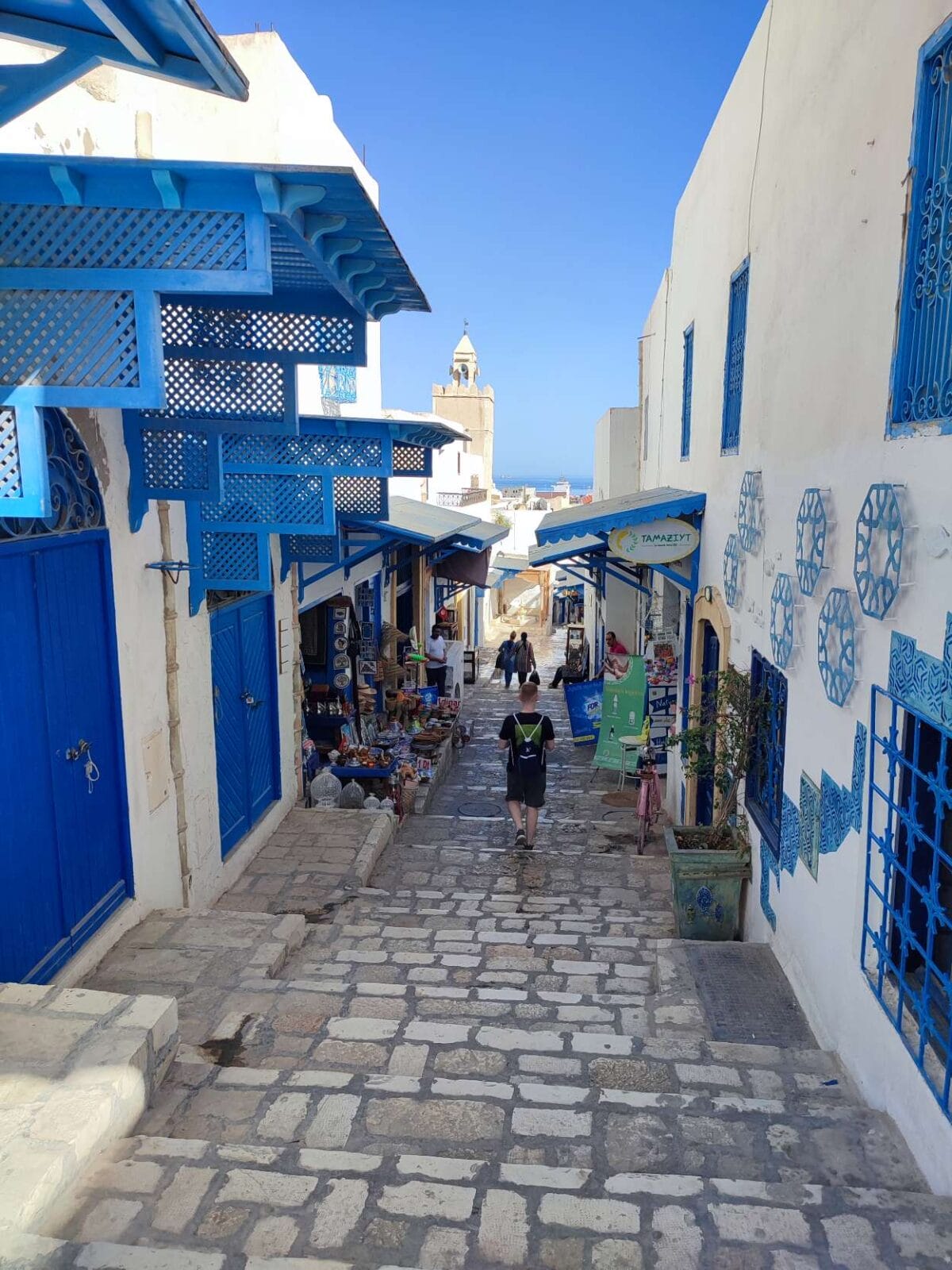
The kasbah rises ahead, its square tower visible above rooftops. You pay eight dinars at the gate and ascend to the ramparts. From here the medina unfolds as a geometric puzzle: domed roofs clustered around the mosque, alleyways radiating like capillaries, the sea a blue line beyond the northern wall. Sousse walking tour maps mark the ribat, kasbah, and four entry gates, but the real discovery happens in the unmarked derbs where laundry hangs between facing balconies and cats sleep on doorsteps worn concave by eleven centuries of footsteps.
The Medina of Sousse is open daily from 08:00–17:00, making it flexible for any sousse walking tour.
Entrance to the Medina streets is 0 TND, though individual monuments visited during your sousse walking tour may charge separate fees.
We recommend starting your sousse walking tour between 08:00–10:00 to enjoy cooler temperatures and quieter streets.
Yes, families are welcome on a sousse walking tour, though carrying young children is easier than using strollers due to historic stone paths.
Yes, photography is generally allowed, but please be respectful when capturing portraits of locals during your sousse walking tour.
The Medina of Sousse is centrally located in Sousse; you can arrive via taxi or a short walk from the main train station for your sousse walking tour.
Dress modestly to respect local customs, especially when visiting religious sites along your sousse walking tour route.
Yes, various local operators provide guided sousse walking tour tours to help navigate the historic alleyways.
Yes, you can easily combine your sousse walking tour with visits to the nearby Ribat and the Kasbah museum.